

With everything available online today, many students think applying abroad is just about:
- Choosing a university
- Uploading documents
- Paying an application fee
- Waiting for admission
For popular destinations like the United States, Canada, the United Kingdom, and Australia, DIY applications are becoming more common and easier to manage. However, when it comes to Europe, which includes countries like Germany, France, Italy, Sweden, Finland, Denmark, Ireland, and the Netherlands, the process is quite different and significantly more complex. Let’s look at why.
DIY Works Better in Popular English-Speaking Destinations
Countries like the USA, Canada, UK, and Australia have:
- Centralized application systems.
- Clear English-language admission requirements.
- Straightforward tuition structures.
- Detailed visa documentation checklists.
- Predictable intake timelines.
- A wealth of online resources.
For instance:
- USA applications focus on the statement of purpose, letters of recommendation, GPA, and standardized tests like TOEFL and GRE.
- The UK has a streamlined process leading from an offer to a CAS to a visa.
- Canada and Australia maintain relatively uniform visa documentation standards.
While these systems are competitive, they are also transparent and organized, making it possible for independent applicants to navigate them with careful research. Yes, mistakes can occur, but the systems are set up for global applicants.
Europe is Different and More Complex
When students mention “Europe,” they often think of a single system. In reality, Europe consists of:
- Multiple countries
- Various admission models
- Different visa frameworks
- Diverse housing systems
Each country has its own distinct structure. Let’s break down why navigating Europe requires more effort.

1. Decentralized Education Systems
Unlike the UK or Australia, many European countries:
- Have public universities with state-level autonomy
- Follow unique credit systems for each country
- Convert international grades in different ways
- Use specific evaluation criteria for subjects
For example:
- Germany carefully evaluates subject credits and academic relevance.
- France requires validation through Campus France before a visa.
- The Netherlands might need Nuffic equivalency assessments.
- Italy has pre-enrollment procedures via the embassy.
- Finland offers various application rounds and processes.
Each procedure is technical and procedural. A small documentation error can lead to delays.
2. University Dynamics
In Europe, university fees vary widely from low to high depending on the country. Admission is largely based on merit. Grade expectations can change each year depending on the applicant pool. Credit compatibility is closely examined. Student places are limited since most universities aim to maintain academic quality. It takes experience and up-to-date knowledge to choose the right country and university based on your profile.
3. Housing Challenges
In Europe, especially in countries like Germany and the Netherlands, there are serious shortages of student housing. Waiting lists for dormitories can be 6 to 12 months long. Private rentals often require deposits and local documentation. There are also risks of fraud in online listings. Unlike Canada or Australia, where housing systems are more structured for international students, European cities often require early planning and local knowledge. Poor housing preparations can lead to a lot of financial stress.
4. Visa Procedures are Country-Specific
European visa systems are not uniform.
Examples include:
- Germany requires blocked accounts.
- France mandates Campus France interview approval.
- Italy involves pre-enrollment validation.
- Some countries need documents to be legalized, apostilled, and translated.
- Financial proof formats and processing times can differ.
- Interview formats can vary by country.
DIY applicants often overlook:
- The order of admission, validation, and visa
- Nuances specific to each embassy
- Proper formatting of documentation
Missing any step in the procedure can result in lost opportunities.
5. Academic Logic Matters More in Europe
European universities are especially strict about:
- Academic progression.
- Compatibility of subjects.
- Relevance of credits and mapping.
- Justifications for changing programs.
For example, switching from Mechanical Engineering to Data Science may be more flexible in the US or the UK. Still, in Germany or France, academic compatibility will be scrutinized more closely. This is where strategic positioning becomes crucial.
So, is DIY Possible for Europe?
Yes, but only if you:
- Understand specific country frameworks.
- Research housing options thoroughly.
- Follow embassy guidelines closely.
- Realistically evaluate public versus private universities.
- Build a clear academic narrative.
- Europe rewards precision, not guesswork.
Why Professional Guidance Becomes More Important for Europe
An experienced consultant can provide value by:
- Identifying realistic university targets.
- Advising you on when a backup is necessary.
- Structuring your academic progression properly.
- Managing country-specific documentation.
- Preparing you for academic and visa interviews.
- Helping you prepare financial documents for the visa.
- Planning your housing strategy early
- Keeping track of timelines to prevent loss of opportunities
Europe is not harder than other destinations. However, it is more procedural. Procedural systems favor experience and a deeper understanding of how everything works.
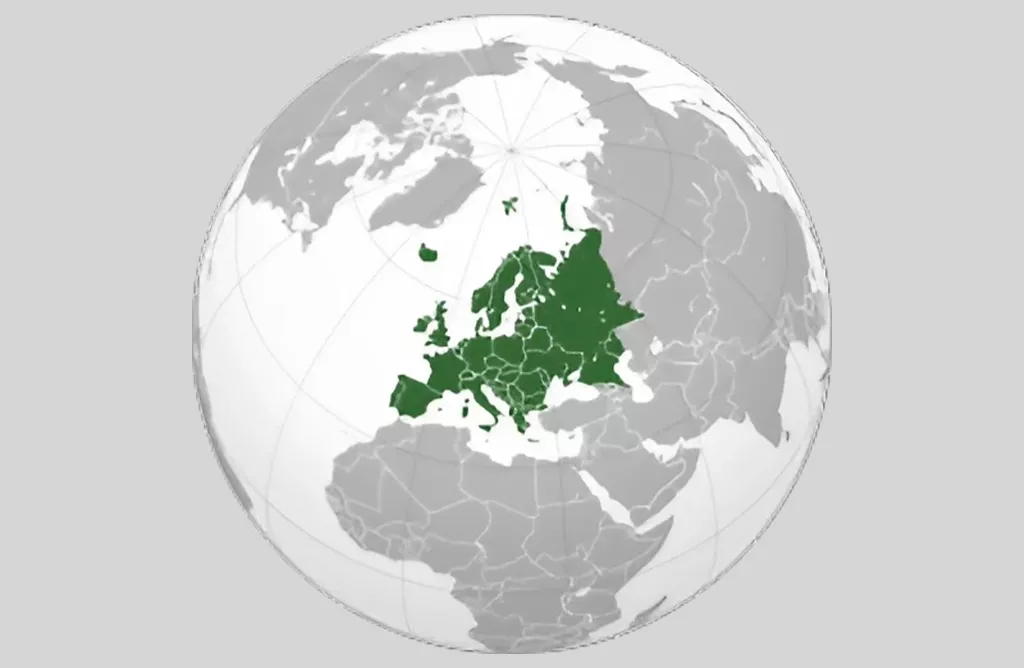
The Cost of Getting It Wrong
DIY mistakes in Europe can lead to:
- Missed admission cycles.
- Visa denials.
- Delays due to blocked accounts.
- Housing issues after arrival.
- Rejections due to academic mismatches.
- Financial miscalculations.
Though tuition might be low in countries like Germany, students often think the overall risk is minimal. In reality, low tuition does not equate to low complexity.
The Smart Approach
For the USA, UK, Canada, and Australia, DIY is often manageable with good research. For continental Europe, professional and experienced guidance greatly lowers risk. This is not because the process is impossible. Instead, each country operates differently, each embassy has its quirks, each academic system evaluates differently, and housing logistics often need local insight. Europe is full of opportunities, but it is also system-heavy.
Final Verdict
DIY works well when:
- Systems are centralized
- Processes are standardized
- Documentation expectations are uniform
Europe requires:
- Strategic choices for universities and courses
- Technical accuracy in documents
- Proper sequencing of procedures
- Insight into housing needs
- Understanding of visa nuances
If you plan to study in Europe, especially in countries with structured systems, seeking a professional consultant is not about becoming dependent. It’s about managing risk, planning strategically, and protecting your investment in your education. In Europe, success involves not just gaining admission. It means navigating the system correctly from start to finish. Experienced guidance can indeed make that journey smoother, safer, and smarter.
Conclusion
DIY applications may work for countries like the USA, UK, Canada, and Australia because of their organized systems. However, when planning to study in Germany or other parts of Europe, the process includes different admission rules, visa procedures, and housing issues. With help from SNY Cosmos Overseas, trusted education consultants, students can navigate the process easily and avoid costly errors.

FAQs
1. Is DIY possible for studying abroad?
Yes, DIY applications are possible for countries like the USA, UK, Canada, and Australia since their admission and visa processes are more standardized.
2. Why is Europe more complicated for students applying on their own?
European countries have various admission systems, visa rules, and housing procedures, making the process more complicated than in other destinations.
3. Why should students consider professional guidance to study in Europe?
Experienced education consultants assist with selecting universities, preparing documents, handling visa applications, and planning housing, which reduces the risk of mistakes.
4. Can consultants help with studying in Germany?
Yes, consultants like SNY Cosmos Overseas help students with university applications, blocked account advice, visa procedures, and planning to study in Germany.
5. How do I find reliable study abroad consultants near me?
You can reach out to trusted agencies like SNY Cosmos Overseas, which offer expert support for students planning to study in Europe and other international locations.

