
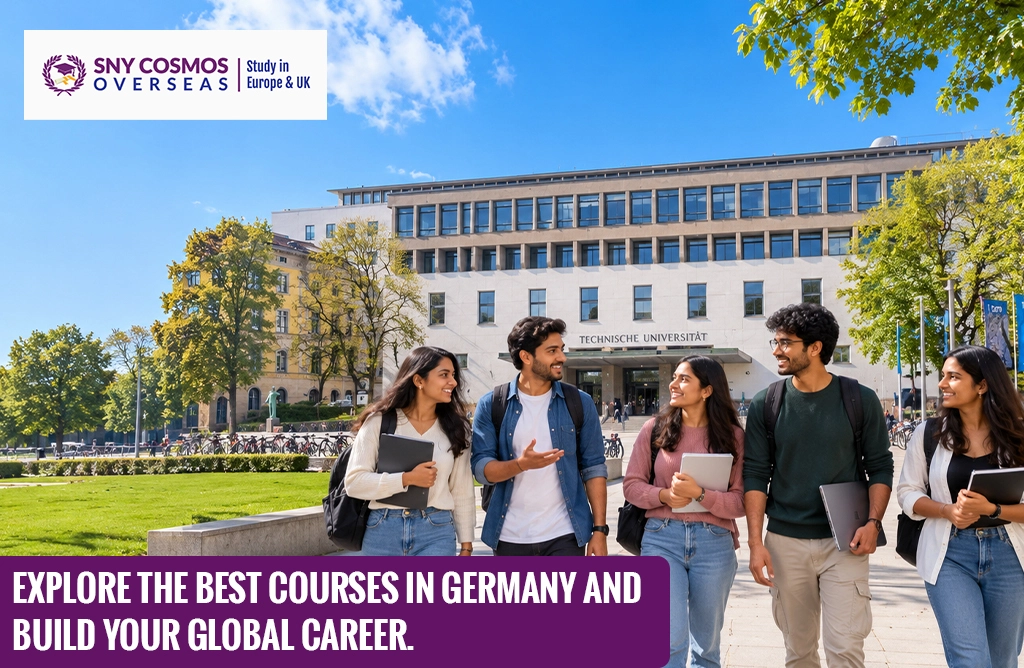
Choosing the best courses to study in Germany begins with matching your interests to the right academic pathway. Whether you enjoy developing technology, analysing business challenges or exploring scientific research, your course should support the skills you want to build.
For students planning to study in Germany, comparing universities involves more than checking rankings. Course content, teaching language, entry requirements and total expenses all matter. This guide from SNY Cosmos explores six subject areas to help you create a focused shortlist. You can connect with Study abroad consultants near me to explore suitable study options and understand the application process. For additional guidance on university selection, Abroad education consultants can help you compare relevant pathways.
1. Mechanical and Automotive Engineering
If you are interested in maths, physics, and working with machines, then mechanical engineering and automobile engineering will be a good choice. To compare courses, see if the modules include designing, simulation, manufacturing, and automobile-related modules.
For instance, the RWTH Aachen University provides English-language MSc in Automotive Engineering in its mechanical engineering programs. It is one of the specialized choices for you to consider.
See if the program includes the specialization that you like and if you have studied the relevant technical subjects before. Related projects could also be useful for you in order to understand the path you would like to take.
2. Computer Science and Data Analytics
Computer science programs offered by Germany will be useful for candidates who like software, computer systems and problem solving through analytical approaches. Technical University of Munich (TUM), for instance, has masters programs in informatics and data engineering and analytics.
The two programs may be linked but their approaches vary in that the former allows specialization in computing while the latter is concerned with analyzing data.
Check out the math, programming and computing requirements. Do not let the trendy titles fool you and analyze the coursework and the research possibilities.
3. Business and Technology Management
Students interested in both commercial decisions and technical innovation can consider programmes connecting management with technology. TUM’s Management and Technology master’s programme explores relationships between business, engineering and natural sciences.
This combination can be appropriate for those wishing to learn about how organisations develop their products and assess technical possibilities and changes. Nonetheless, eligibility will depend on the exact academic criteria set by the course.
When choosing a business programme among the options available in Germany, one should think about which area he or she would like to work in – finance, logistics, strategy, or technology management.
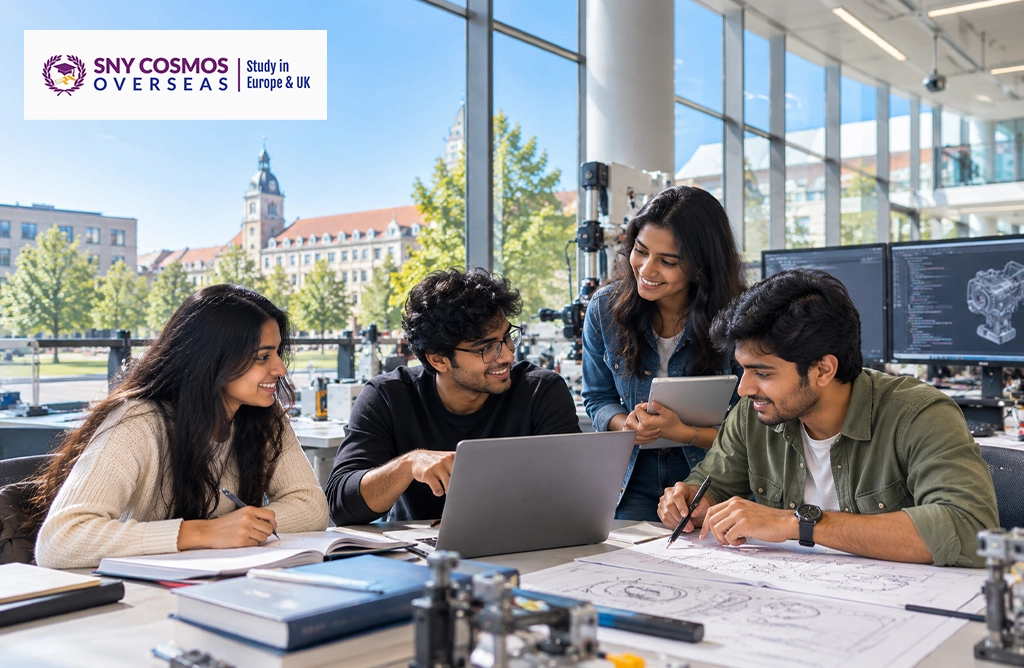
4. Renewable Energy and Sustainability
Renewable energy is a relevant option for students interested in energy transitions and environmental challenges. TH Köln offers an English-taught master’s programme in Renewable Energy Management.
In assessing this domain, separate engineering programs from management programs based on the nature of their involvement in energy technologies and energy solutions.
Think about what you enjoy more – a technical approach, planning, or an interdisciplinary approach. Look at the program’s curriculum, requirements, and projects very carefully. A good program will combine your previous experience with your desired challenges.
5. Biotechnology and Life Sciences
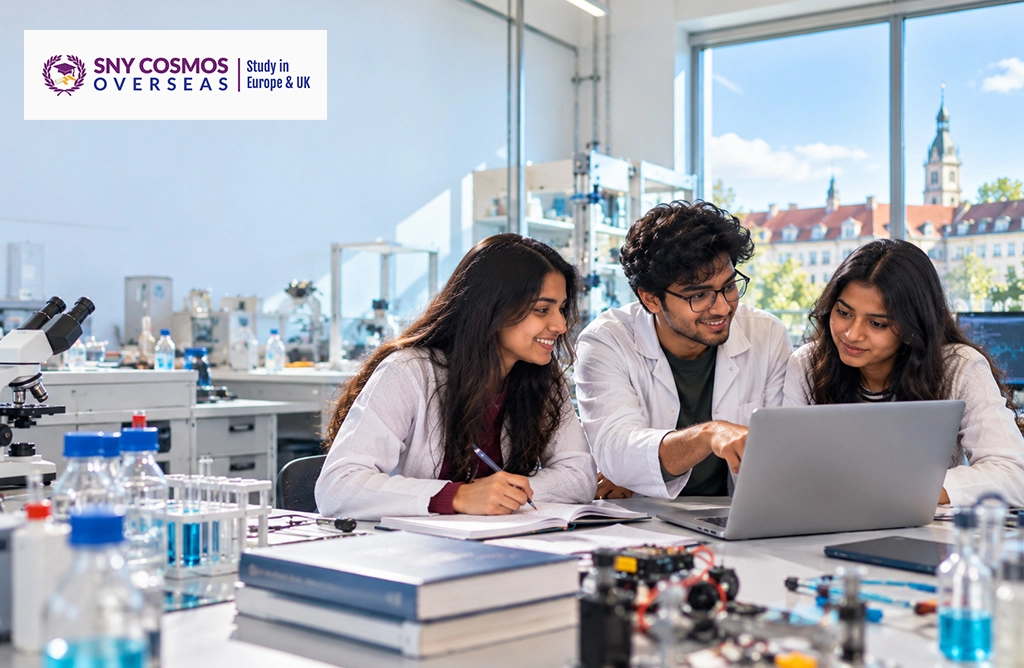
Biotechnology courses combine scientific knowledge with questions about biological processes and their applications. Heidelberg University’s Molecular Biotechnology master’s programme brings together areas including bioinformatics, biophysical chemistry and drug discovery.
This field is worth exploring if you enjoy biology, chemistry and research. Depending on your interests, you might prioritise laboratory work, computational approaches or molecular science.
Check subject prerequisites and the teaching language before applying. Compare research groups and dissertation opportunities, particularly if you are considering doctoral study or a research-focused career.
6. Aerospace Engineering
Aerospace engineering may appeal to students interested in aircraft, space systems and advanced engineering analysis. The University of Stuttgart offers an MSc in Aerospace Engineering with a standard duration of four semesters and German as its teaching language.
This example highlights why language requirements deserve attention during shortlisting. A suitable technical curriculum does not automatically mean a programme is available in English.
Review specialisations, academic prerequisites and language expectations together before deciding whether aerospace engineering matches your study plans.
Cost of Study in Germany
Many public universities in Germany charge no tuition for bachelor’s and most master’s programmes, but exceptions apply. Tuition rates vary across universities, courses, and applicant categories. Semester contributions are separate from tuition.
DAAD suggests a general living-cost budget of around €900–€1,200 monthly, although actual spending varies by city and accommodation. Review the latest fees and plan your finances before submitting an application.
To compare university expenses and plan your application, you can consult Study abroad consultants near me. Abroad education consultants can also help you explore suitable study pathways and understand the factors to consider when shortlisting universities.
Plan your Studies with SNY Cosmos
SNY Cosmos offers you an opportunity to know about your objectives and to evaluate suitable courses offered in Germany and your application preferences. You may also consult Study abroad consultants near me to learn more about your study possibilities and Abroad education consultants to tell them about your qualifications and preferences.
Frequently Asked Questions
Engineering, computer science, business, renewable energy, biotechnology and aerospace are options worth comparing. The best choice depends on your qualifications, interests and professional goals.
Yes. English-taught options include RWTH Aachen’s Automotive Engineering MSc and TH Köln’s Renewable Energy Management master’s. Always verify each programme’s language requirements.
Some public university programmes have no tuition, but exceptions apply. Students still need to cover semester contributions, living expenses and other applicable costs.
Compare academic eligibility, modules, teaching language, research opportunities and total costs. Prioritise programmes that build logically on your previous degree.
No. Employment depends on your skills, experience, language ability and available opportunities. Relevant projects, networking and German proficiency can strengthen your preparation.