

Germany still remains one of the top choices for Indian students wishing to pursue their studies abroad in 2026. German universities have an impressive reputation, offer free education at the public institutions, provide immense opportunities for students after graduation, and have a strong economy. Yet, it takes serious consideration to study in Germany, as entrance into public universities is quite competitive.
Here is everything that an Indian student would require regarding studying in Germany in 2026.
Why Study in Germany?
Germany is endowed with some of the best universities in the world. In addition, the country offers quality education, globally accredited qualifications, and an innovative learning environment.
Some key advantages include:
- Low or no tuition fees at public universities
- High-quality private universities with moderate tuition fees
- Globally recognized degrees
- Strong engineering, IT, management, and research programs
- Excellent post-study work opportunities
- Access to the European job market
- High quality of life and infrastructure
- An Increasing number of English-taught programs
As of today, there are more than 450,000 international students studying in German universities. Indians constitute one of the largest contingents of international students in Germany.
Challenges of Getting Admission into German Public Universities
However, most students believe that since there is low tuition at public universities, the entry process is also straightforward. On the contrary, securing admission into a German public university is quite difficult.
Limited Seats and High Demand
Popular streams such as Automobile, Automotive, Computer Science, Artificial Intelligence, Data Science, Mechanical Engineering, and Management have a high number of applicants from around the world, especially India.
Universities often have limited seats, making selection highly competitive.
Strong Academic Requirements
German universities place significant emphasis on academic performance. Many programs require:
- Strong IELTS and GRE scores
- Subject-specific eligibility
- Relevant academic background
- German language proficiency
- Competitive GPA or percentage
Students with inconsistent academic records and a long history of backlogs may find it difficult to secure admission.
Strict Documentation Requirements
German universities are known for their detailed application processes. Missing documents can lead to rejection.
Common requirements include:
- Academic transcripts
- Degree certificates
- APS Certificate (mandatory for Indian students)
- IELTS or TOEFL scores
- Statement of Purpose
- Curriculum Vitae (CV)
- Letters of Recommendation
- Passport copy
Program-Specific Requirements
Many master’s programs require specific undergraduate subjects and credit distributions.
For example, a Data Science program may require prior coursework in:
- Mathematics
- Statistics
- Programming
- Algorithms
Students without the required academic foundation may be deemed ineligible.
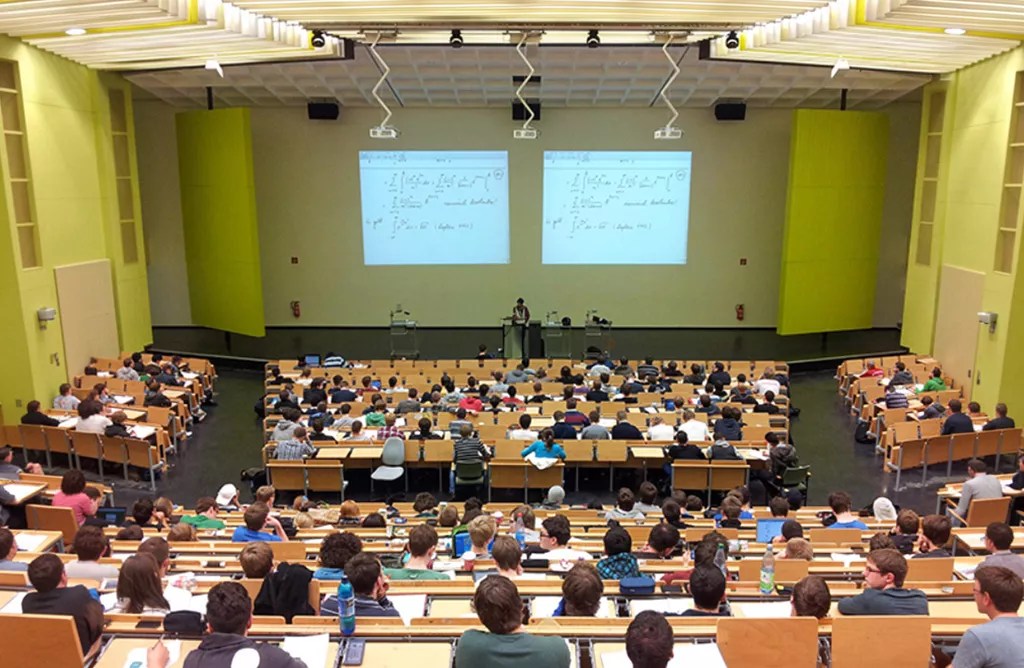
Increasing Competition from Indian Applicants
In recent times, there has been a rise in the number of Indian students applying to Germany. Consequently, there has been a lot of selectivity among universities.
Intakes in Germany for 2026
Germany primarily offers two major intakes.
Winter Intake (Major Intake)
Application Period:
December to July
Course Start:
September or October
Advantages:
- The Largest number of courses available
- More university options
- Better scholarship opportunities
- Higher acceptance rates due to larger intake
- Most Indian students target the Winter Intake.
Summer Intake (Secondary Intake)
Application Period:
September to January
Course Start:
March or April
Disadvantages:
Limited course availability
Fewer university options
Students should ideally begin preparations at least 10–12 months before their intended intake.
Cost of Studying in Germany
Tuition Fees
Public Universities
Most public universities charge no tuition fees for domestic and international students.
Students usually pay a semester contribution fee ranging from:
€150 – €400 per semester
This fee often includes public transportation and student services.
Private Universities
Private institutions may charge:
€10,000 – €25,000 per year
or even higher depending on the program.
Cost of Living in Germany
One of the most important aspects of planning is understanding the actual cost of living.
The average monthly expenses for students in Germany in 2026 are expected to be:
Accommodation
€350 – €800
Food and Groceries
€150 – €300
Health Insurance
€120 – €140
Transportation
€30 – €60
Mobile and Internet
€20 – €40
Miscellaneous Expenses
€100 – €200
Total Monthly Living Cost
Most students spend between:
€900 – €1,300 per month
Depending on the city.
Expensive Cities
- Munich
- Frankfurt
- Hamburg
- Stuttgart
Affordable Cities
- Leipzig
- Dresden
- Magdeburg
- Chemnitz
Choosing a less expensive city can significantly reduce living costs.
Blocked Account Requirement for Indian Students
To obtain a German student visa, students must demonstrate sufficient financial resources.
The most common method is opening a blocked account (Sperrkonto).
Required Amount in 2026
As of 2025, the required blocked account amount is €11,904 for one year.
Students planning for 2026 should budget approximately:
€12,000 – €13,000 per year as requirements may be adjusted for inflation.
How Does a Blocked Account Work?
The student deposits the required amount before visa approval.
After arriving in Germany:
- Money is released monthly
- Students receive a fixed amount each month for living expenses
- Popular blocked account providers include Expatrio, Fintiba, and Coracle.
- Students should always verify the latest financial requirements before applying for a visa.
Can Students Work While Studying?
Yes.
International students in Germany are permitted to work:
- Up to 140 full days per year
or - 280 half days per year
Many students work part-time in:
- Retail
- Restaurants
- University departments
- Research projects
- IT companies
Typical student wages range between:
€12 – €20 per hour
Depending on skills and location.
However, students should not rely solely on part-time jobs to fund their education.
Post-Study Work Opportunities
Germany offers excellent career prospects after graduation.
International graduates can receive an 18-month job-seeking residence permit after completing their degree.
High-demand sectors include:
- Information Technology
- Artificial Intelligence
- Data Science
- Mechanical Engineering
- Electrical Engineering
- Automotive Industry
- Renewable Energy
- Healthcare
- Finance
Germany’s ongoing shortage of skilled professionals creates strong employment opportunities for international graduates.

Tips for Indian Students Planning to Study in Germany
1. Start Early
Begin preparations at least one year before your target intake.
This allows time for:
- APS certification
- IELTS preparation
- University shortlisting
- Document collection
2. Focus on Academic Profile
Strong academic performance remains one of the most important admission factors.
Aim for:
- High undergraduate grades
- Relevant coursework
- Research projects
- Internships
3. Obtain APS Certificate Early
APS processing can take time.
Apply for APS certification as soon as your academic documents are ready.
4. Build a Strong SOP
A well-written Statement of Purpose can significantly improve your chances of admission.
Clearly explain:
- Academic background
- Career goals
- Why Germany
- Why the specific program
5. Apply to Multiple Universities
Avoid relying on only one or two universities or applying only to Public universities.
A balanced application strategy should include:
- Ambitious universities
- Moderate universities
- Safe universities
- Public + Private universities
6. Budget Carefully
Beyond tuition fees, students must plan for:
- Blocked account funds
- Visa expenses
- Flight tickets
- Initial accommodation deposits
7. Learn Basic German
Although many programs are taught in English, learning German greatly improves:
- Daily life
- Internship opportunities
- Part-time jobs
- Full-time employment prospects
Final Thoughts
In 2026, Germany continues to rank highly among the best places for Indians to receive affordable and quality education abroad. Although the public universities are very good and affordable, entering them has become a challenge in the face of the increasing number of foreign applicants and tough criteria.
With adequate preparation, however, Indian students can successfully secure admission and earn an excellent degree from German universities. By planning finances, documentation, and applications well in advance, choosing to study in Germany can become a rewarding investment for both academic and career growth. For expert guidance on admissions, visas, and university selection, students can also connect with SNY Cosmos Overseas.
FAQs
1. Is Germany a good option for Indian students?
Yes. Germany offers globally recognized degrees, affordable education, and excellent career opportunities.
2. Do public universities in Germany charge tuition fees?
Most public universities charge little or no tuition fees, with students paying only semester contributions.
3. Can Indian students work while studying in Germany?
Yes. International students can work part-time during their studies while gaining valuable professional experience.

